Discover Ethiopia’s Wild Wonders: Bale Mountains, Simien Peaks & the Danakil Depression
Why Ethiopia is Africa’s Ultimate Adventure Destination
Ethiopia is one of Africa’s most geographically diverse and culturally rich destinations. From towering Afro-Alpine mountains and ancient volcanic landscapes to remote tribal regions and underground cave systems, the country offers unforgettable experiences for nature lovers, hikers, birdwatchers, photographers, and adventure travelers.
Among Ethiopia’s greatest natural treasures are the Bale Mountains National Park, the dramatic Simien Mountains, and the extraordinary Danakil Depression. Each destination reveals a completely different side of the country’s landscapes, wildlife, and heritage. For travelers seeking immersive trekking experiences, wildlife encounters, and authentic cultural journeys, Ethiopia stands apart as one of the continent’s most rewarding destinations.
Bale Mountains National Park
Topography and Landscapes
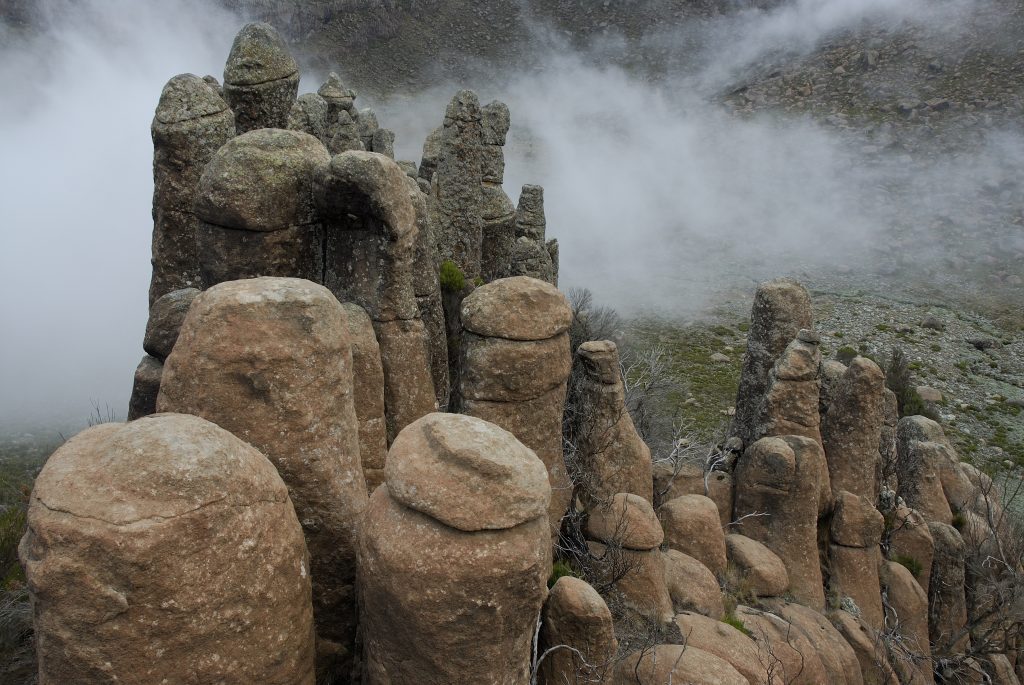
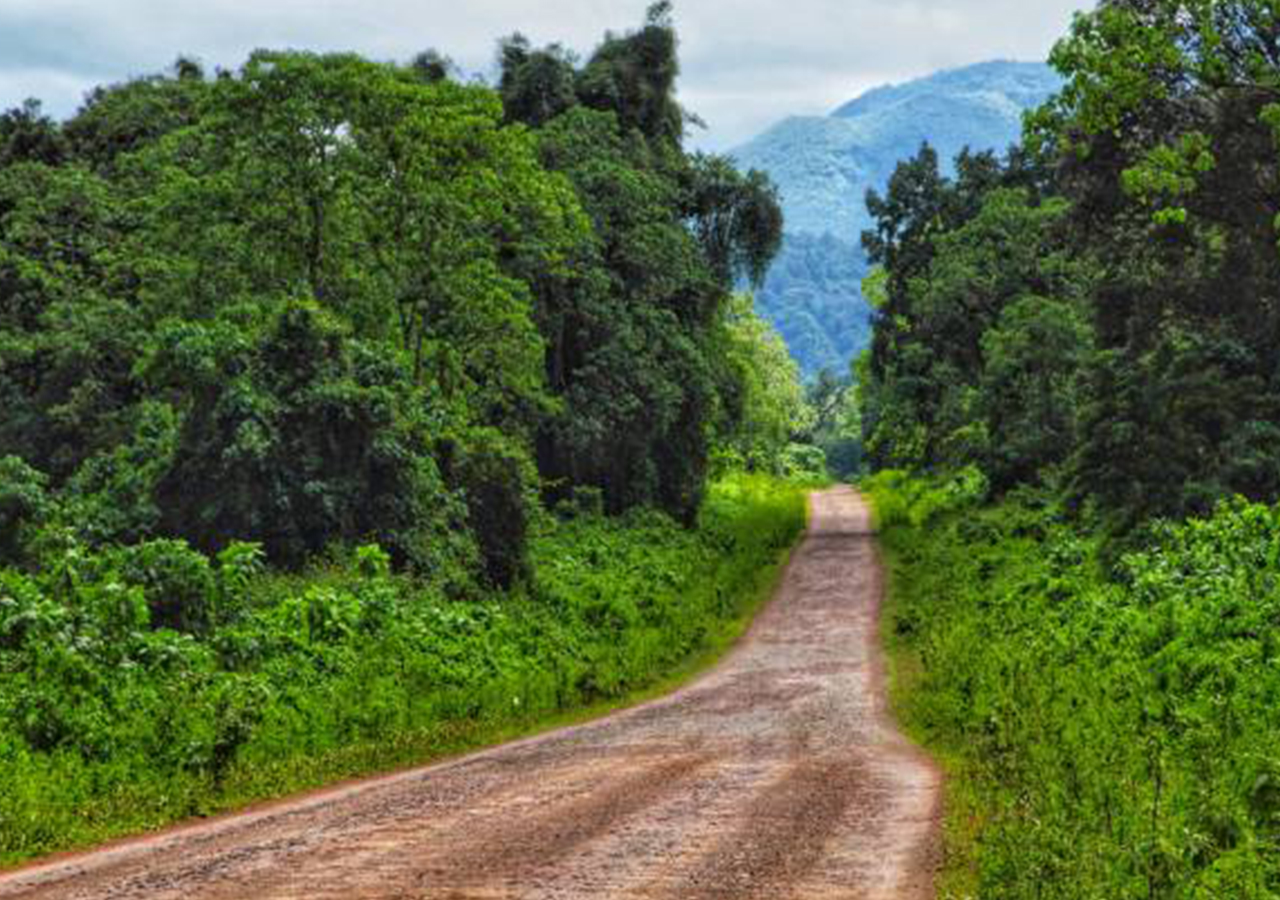
The Bale Mountains rise dramatically from the surrounding agricultural plains at around 2,500 meters above sea level. The park is divided by the spectacular Harenna Escarpment, creating two distinct ecological regions. North of the escarpment lies a vast high-altitude plateau reaching approximately 4,000 meters. Ancient volcanic formations, including basalt, trachyte, and tuff, dominate the landscape. Rivers and streams have carved deep gorges into the plateau over centuries, creating scenic waterfalls and dramatic valleys.
Towering above the plateau is Tullu Deemtu, Ethiopia’s second-highest mountain at 4,377 meters. Nearby volcanic peaks and lava formations create one of the most impressive Afro-Alpine landscapes in Africa. The plateau is dotted with alpine lakes such as Garba Guracha, Hora Bachay, and Hala Weoz, which attract migratory birds from Europe during the northern winter season.
Vegetation and Afro-Alpine Ecosystems
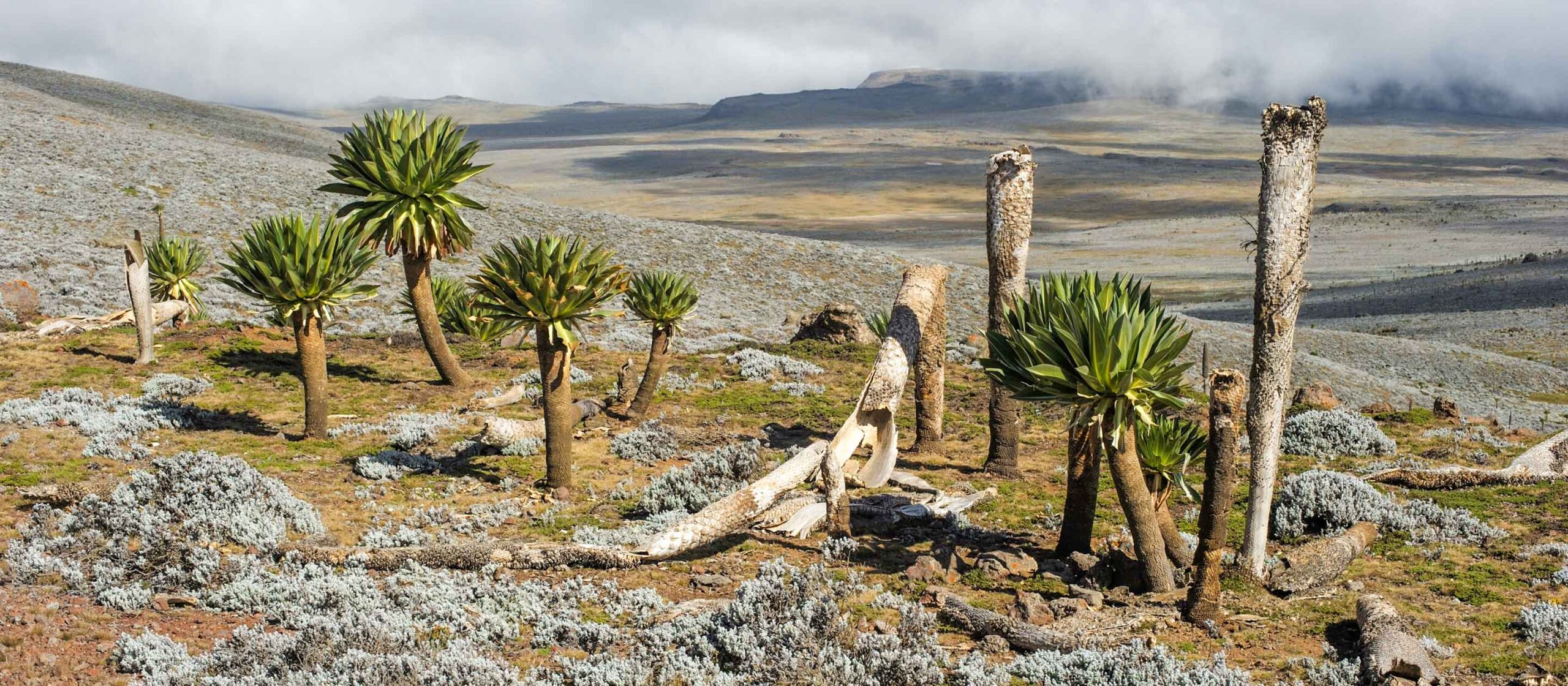
Bale Mountains National Park contains the largest Afro-Alpine habitat in Africa. The park’s dramatic changes in altitude create an extraordinary diversity of vegetation zones. The lower elevations are surrounded by fertile agricultural lands where wheat farming is common. Higher up, beautiful juniper and Hagenia forests dominate the landscape up to approximately 3,300 meters.
Beyond the tree line, vast heather moorlands stretch across the slopes before giving way to Afro-Alpine meadows and rocky highlands covered with hardy grasses and alpine plants. The southern slopes of the Bale Mountains feature dense cloud forests rich in biodiversity. Giant Podocarpus trees, bamboo groves, flowering plants, and medicinal species create an enchanting forest ecosystem.
Visitors walking through the northern forests often notice the sweet fragrance of fallen Hagenia leaves covering the trails. These forests are also home to Ethiopia’s indigenous rose species, Rosa abyssinica, recognized for its delicate white flowers.
Birdlife and Endemic Species
The Bale Mountains are one of East Africa’s premier birdwatching destinations. More than 260 bird species have been recorded in the park, including numerous Ethiopian endemics. Among the most iconic bird species are:
- Blue-winged Goose
- Wattled Ibis
- Rouget’s Rail
- Thick-billed Raven
- Black-winged Lovebird
- Yellow-fronted Parrot
- Abyssinian Catbird
- Black-headed Siskin
- Lammergeier (Bearded Vulture)
The Sanetti Plateau is particularly famous for large flocks of endemic birds and migratory waterfowl. In addition to birdlife, Bale Mountains National Park is renowned for endemic mammals including:
- Ethiopian Wolf
- Mountain Nyala
- Menelik’s Bushbuck
- Reedbuck
- Serval Cat
- Klipspringer
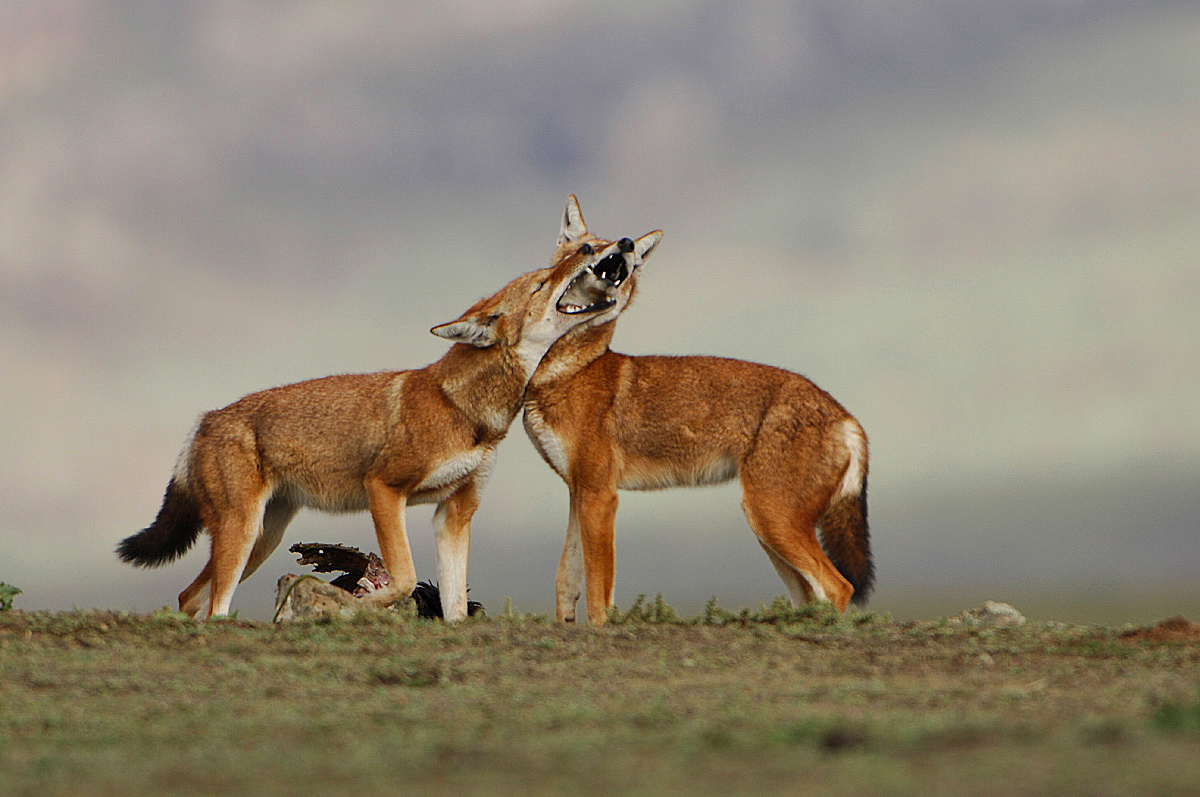
The Ethiopian Wolf, one of the rarest canids in the world, survives in the park’s Afro-Alpine ecosystem.
Walking, Trekking & Horse Riding
Bale Mountains National Park is considered one of Africa’s finest trekking destinations. The park offers opportunities for:
- Multi-day trekking expeditions
- Scenic horseback journeys
- Mountain biking adventures
- Day hikes through forests and plateaus
- Wildlife photography excursions
Dinsho Nature Trail
The Dinsho Headquarters area features a short nature trail introducing visitors to the park’s flora and fauna. Mountain Nyala and Ethiopian Bushbuck are often seen near the grasslands surrounding the headquarters.
Gasuray Peak Trek
One of the most rewarding day hikes begins at Dinsho and climbs toward Gasuray Peak through mature juniper and Hagenia forests before reaching stunning heather-covered uplands.
Tullu Deemtu Summit
Adventure travelers can ascend Tullu Deemtu, Ethiopia’s second-highest peak. The trek offers breathtaking views of volcanic ridges, alpine lakes, and vast plateaus.
Horse Trekking
Horse riding provides one of the most authentic ways to explore the Bale Mountains. Guided horseback expeditions allow travelers to experience remote valleys, alpine grasslands, and hidden forest trails.
Fishing Adventures
Several rivers in the Bale region were stocked with trout during the 1970s, creating unique sport fishing opportunities in Ethiopia. Travelers can fish for Brown Trout in the Web River and Rainbow Trout in surrounding rivers and streams. The combination of crystal-clear rivers, waterfalls, mountain scenery, and peaceful surroundings makes fishing in Bale Mountains an unforgettable outdoor experience.
Simien Mountains National Park
The Simien Mountains are among Africa’s most spectacular highland landscapes. This UNESCO World Heritage Site contains dramatic cliffs, deep gorges, and peaks exceeding 4,000 meters. Ras Dejen, Ethiopia’s highest mountain at 4,630 meters, dominates the range. The Simien Mountains are famous for:
- Multi-day trekking routes
- Scenic mountain escarpments
- Gelada Baboons
- Walia Ibex
- Ethiopian Wolves
- Lammergeier vultures
The park’s landscapes range from cultivated lower slopes to alpine meadows covered with giant lobelias and colorful wildflowers. The Simien Mountains were originally protected to conserve the endangered Walia Ibex, a species found nowhere else on Earth.
The Danakil Depression & Erta Ale Volcano
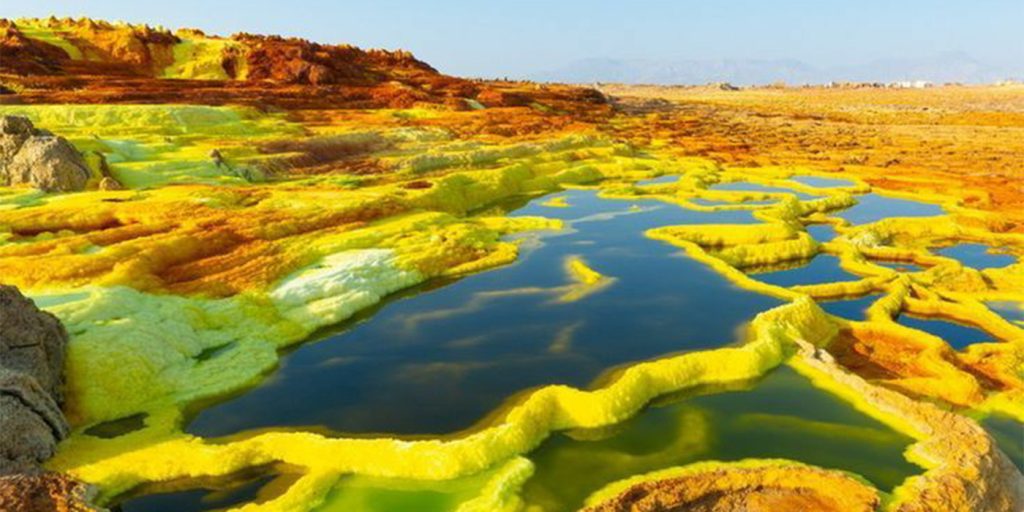
The Danakil Depression is one of the hottest and most geologically active places on Earth. Located within the Great Rift Valley system, this extraordinary region features active volcanoes, salt flats, sulfur springs, and colorful mineral formations.
Erta Ale Volcano
Erta Ale, known locally as the “Smoking Mountain,” is one of the few volcanoes in the world with a persistent lava lake. Travelers trekking to the summit at night witness glowing lava illuminating the dark desert sky. The surrounding volcanic landscape is covered with dramatic lava fields and unusual rock formations.
Dallol Hydrothermal Field
Dallol is famous for:
- Bright yellow sulfur terraces
- Colorful hot springs
- Salt formations
- Hydrothermal craters
- Extreme desert temperatures
Temperatures in the Danakil Depression regularly exceed 40°C, making it one of the hottest inhabited places on Earth.
The Afar People
The Afar communities have inhabited the region for thousands of years. Traditional camel caravans still transport salt blocks across ancient trade routes linking the Danakil Depression with the Ethiopian Highlands. Traveling through Danakil is an intense but unforgettable adventure best suited for experienced and well-prepared travelers.
Exploring Sof Omar Caves
The Sof Omar cave system is one of Ethiopia’s most impressive natural wonders. Located southeast of Bale Mountains National Park, the caves were carved by the Web River flowing underground through a network of limestone caverns. Highlights include:
- Vast underground chambers
- Natural stone arches
- River passages
- Unique cave formations
- Wildlife in surrounding lowland forests
The journey to Sof Omar also offers opportunities to see Greater Kudu, Lesser Kudu, and Dik-Dik antelope. The caves provide a striking contrast to the cold Afro-Alpine landscapes of the Bale Mountains, as they lie at a much lower elevation with warm dry-climate vegetation.
Southern Ethiopia & the Omo Valley
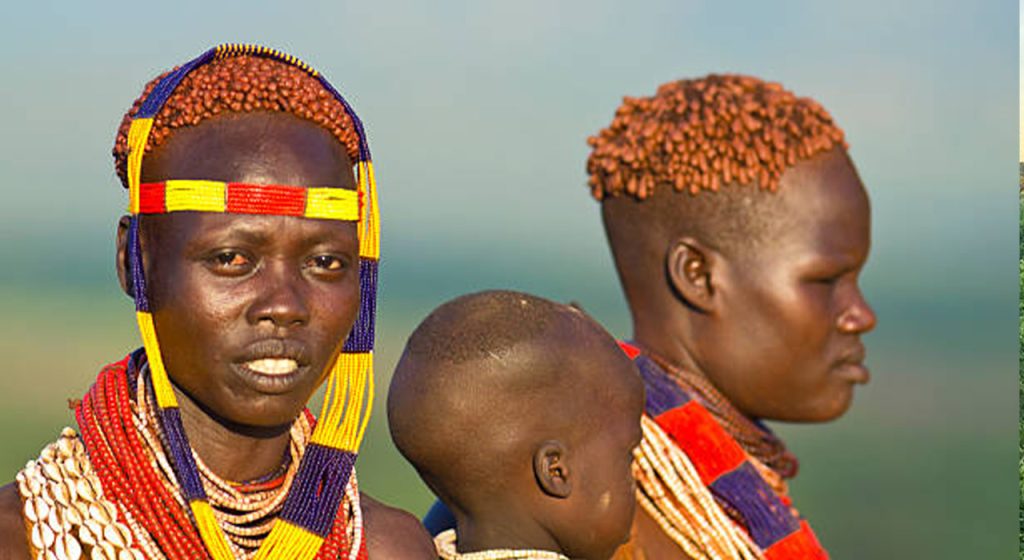
Southern Ethiopia’s Omo Valley is internationally recognized for its cultural diversity and indigenous traditions. A short cultural tour through Arba Minch, Konso, Turmi, and Jinka introduces travelers to several unique ethnic communities including:
- Hamar
- Mursi
- Karo
- Ari
- Konso
These communities maintain distinct traditions, clothing styles, ceremonies, and agricultural systems. The Konso people are especially known for their sustainable terraced farming practices and UNESCO-recognized cultural heritage. Responsible travel experiences in the Omo Valley emphasize:
- Cultural preservation
- Community empowerment
- Ethical tourism
- Respectful cultural exchange
Combining the Bale Mountains with the Omo Valley creates an exceptional Ethiopian adventure blending nature, wildlife, trekking and culture.